
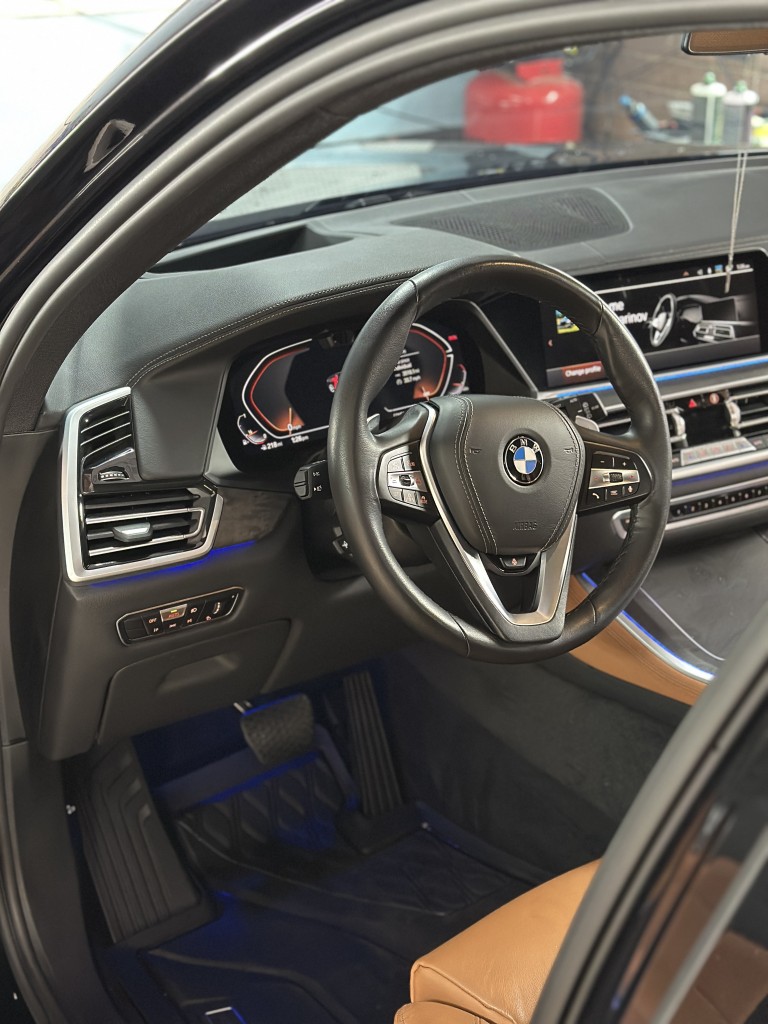
Bad car odors usually come from something you can find and fix, such as a spill, damp carpet, a dirty filter, or old trash. To get rid of a smell for good, remove the source, clean the surfaces it soaked into, treat the air system, and dry everything completely. An air freshener only hides the problem for a few days.
This guide covers what causes car odors, how to remove them step by step, how to keep them from coming back, and when to call a professional.
Why Does Your Car Smell Bad?
Car smells come from bacteria, mold, and chemicals trapped in soft materials. Fabric seats, carpet, and foam padding soak up liquids and hold moisture, which gives bacteria and mildew a place to grow. Heat makes it worse, since a closed car in summer cooks old food, sweat, and spills into a stronger smell. The type of smell points to the cause.
| Smell | Common Cause |
|---|---|
| Musty or damp | Mold or mildew from wet carpet, leaks, or a dirty AC system |
| Sour or rotten | Spilled milk, old food, or trash under the seats |
| Smoke | Tar and nicotine in fabric, headliner, and vents |
| Pet or urine | Hair, saliva, or accidents in carpet and seats |
| Sweet, syrupy | Coolant leak |
| Gasoline | Fuel leak or spill |
The last two are mechanical problems, not cleaning problems, so have a mechanic check them before anything else.
How to Remove Bad Smells From Your Car
Work in the order below. Each step builds on the one before it, and skipping around can spread the smell back onto surfaces you already cleaned.
Remove Trash, Food, and Other Odor Sources
Start by emptying the car completely. Check the door pockets, under the seats, the glove box, the trunk, and the spare tire well, where forgotten food and wet items hide. Throw away old bags, cups, and wrappers, and take out gym clothes, towels, and anything else damp. If the smell fades once the trash is gone, it was only a surface problem. If it stays, the odor has moved into the materials.
Vacuum the Seats, Carpets, and Floor Mats
Vacuum slowly with a crevice tool and a brush attachment, since dry dirt and crumbs feed odor-causing bacteria. Work from the top down, starting with the seats, then the carpet, then the floor mats once they are out. Push into the seat seams and under the rails. For pet hair, rub the fabric with a rubber glove or a rubber brush first to loosen it, then vacuum.
Deep Clean Car Seats and Upholstery
Check the care label or owner's manual, then match the cleaner to the material. Fabric seats do well with an upholstery cleaner or mild soap and warm water, applied with a soft brush and blotted with a microfiber towel. Use an enzyme cleaner for pet accidents, milk, or vomit, because enzymes break down the source of the smell instead of covering it. Leather needs a leather cleaner followed by a conditioner. Avoid soaking the foam padding, since trapped water causes a musty smell later. A steam cleaner or hot water extractor pulls out more than hand scrubbing.
Wash and Deodorize Floor Mats
Take the mats out and shake them well. Scrub rubber mats with soap and a stiff brush, then rinse them with a hose. Carpet mats need a carpet cleaner and a brush, followed by a rinse. Sprinkle baking soda on carpet mats, leave it for 15 to 30 minutes, and vacuum it up. Let the mats dry fully in the sun or in a ventilated space before putting them back.
Clean the Dashboard and Interior Surfaces
Wipe the dashboard, door panels, center console, steering wheel, and cup holders with an interior cleaner and a microfiber towel. These touchpoints collect sweat, food residue, and dust that hold odors. Use a soft brush for seams and cotton swabs for tight spots. Go lightly on the headliner, because too much liquid can loosen the glue. Finish with a clean, damp towel, since leftover cleaner can trap smells.
Clean the Car's Air Vents and HVAC System
Musty air from the vents often points to moisture and bacteria in the HVAC system. Clean the visible vent slats with a brush or foam swab and interior cleaner. Then use an AC and vent cleaning spray made for cars, following the directions on the can, and run the fan on high with the air set to fresh air. To prevent buildup, turn the AC off and run only the fan for a minute or two before you shut the car off, which dries the evaporator. If the smell stays or you find water in the footwell, the evaporator drain may be clogged, and that needs a mechanic.
Replace the Cabin Air Filter
The cabin air filter traps dust, pollen, and debris, and a dirty one is a common source of a musty smell. It usually sits behind the glove box, but check your owner's manual for the exact spot. Pull it out, and if it looks gray or black, has leaves in it, or smells damp, replace it with the correct filter for your model. Filters typically cost $10 to $30 and swap out in a few minutes.
Use an Odor Neutralizer to Treat Lingering Smells
After cleaning, treat what remains. Baking soda left overnight on carpet and fabric absorbs odors, and a vacuum removes it in the morning. Activated charcoal bags work slowly over several days and suit a closed car well. Enzyme sprays handle organic smells, and odor eliminators made for car interiors break down smoke and sweat. Avoid heavy air fresheners, which mask the problem and mix with the old smell. Ozone generators and fogging machines also work, but professionals usually run them, and they need an empty, ventilated car afterward.
Dry the Interior Thoroughly to Prevent Musty Odors
Moisture is the reason many smells return, so dry everything fully before you close up the car. Park in the sun with the doors or windows open for a few hours, or run a fan through the cabin. In humid weather, a moisture absorber or a dehumidifier bag helps pull water from the air. Press a dry towel into the seats and carpet to check for dampness, since the padding underneath can stay wet long after the surface feels dry.
How to Prevent Bad Car Odors From Coming Back
Once the smell is gone, a few habits keep it from returning.
Keep the Interior Dry and Clean
Moisture is the root of mildew, so shake out wet umbrellas and gear before loading them, and never leave damp towels or gym bags in the car. Check the door seals, trunk seal, and sunroof drains once in a while for leaks. Water in the footwell after rain means you should find the leak soon, before the carpet absorbs it.
Clean Spills Immediately
Act fast when something spills. Blot with a clean towel, pressing instead of rubbing, which pushes liquid deeper into the fabric. Treat milk, coffee, and food stains with an enzyme or upholstery cleaner, then let the spot dry. A small kit with microfiber towels and a spray cleaner in the trunk turns a spill into a two-minute job.
Replace the Cabin Air Filter on Schedule
Replace the cabin air filter about once a year or every 12,000 to 15,000 miles, and sooner if you drive on dusty roads, in heavy traffic, or use the AC often. Some manufacturers allow longer intervals, so check your owner's manual. A yearly reminder tied to an oil change makes it easy to remember.
Clean Floor Mats Regularly
Shake out the mats every week and wash them every month or two. In wet seasons, all-weather rubber liners catch water and mud and are easier to clean than carpet mats. Vacuum the carpet under the mats too, since dirt and moisture collect there.
When Do You Need Professional Car Odor Removal?
Some smells need tools and training that home cleaning does not offer. Consider a professional in the cases below.
Persistent or Recurring Odors
If the smell comes back within a week or two after a thorough cleaning, the source is likely deeper in the padding, the headliner, or the HVAC system. Professionals use hot water extraction, steam, and enzyme treatments that reach those layers, and they can find sources you may have missed.
Mold and Water Damage
Visible mold, a musty smell after flooding, or wet carpet that will not dry needs professional help. Mold can irritate allergies and breathing, and wet padding often has to be pulled out and dried or replaced. Water getting in also points to a leak that needs repair. If you clean a small moldy spot yourself, wear a mask and gloves.
Deep Smoke or Pet Odors
Cigarette smoke and pet urine soak into fabric, foam, and the headliner, and store-bought sprays rarely reach them. A detailer can combine deep extraction with steam, enzyme treatments, and odor-removal equipment, and many detailers offer mobile service that comes to your home.
Final Thoughts
Removing car odors for good comes down to finding the source, deep cleaning the surfaces it soaked into, treating the HVAC system, and drying everything fully. Air fresheners only hide smells, while enzyme cleaners, a fresh cabin filter, and good airflow remove them. Keep the interior dry, clean spills fast, and replace the cabin filter on schedule so the smell does not return. If mold, smoke, or pet odors keep coming back after a thorough cleaning, a professional detail can reach the layers home cleaning cannot.
FAQs
What Is The Fastest Way To Get Rid Of A Bad Smell In My Car?
Remove the source first, then vacuum and leave baking soda on the carpet and seats overnight. For a smell that lasts, follow up with a deep clean and a fresh cabin filter.
Does Baking Soda Really Remove Car Odors?
Yes, it absorbs odors from fabric and carpet. It works best after you remove the source, and you should vacuum it up completely once it has sat for several hours.
How Do I Get Rid Of A Musty Smell From The AC?
Replace the cabin air filter, use an AC cleaning spray made for cars, and run only the fan before turning the car off. If the smell remains, a mechanic should check the evaporator drain.
How Do I Remove Cigarette Smell From A Car?
Clean every surface, shampoo the seats and carpet, wipe the headliner lightly, and replace the cabin filter. Heavy smoke often needs a professional extraction and odor treatment.
How Long Does It Take For A Car To Stop Smelling After Cleaning?
Once the interior is fully dry, most smells fade within a day or two. If the odor returns, the source is still in the padding, vents, or filter.
Can I Use Vinegar To Clean Car Odors?
Diluted white vinegar, mixed about half and half with water, can help on hard surfaces and some fabrics. Test a hidden spot first, avoid leather, and never mix it with bleach.
What Removes Pet Odors From Car Seats?
An enzyme cleaner works best, since it breaks down the proteins in urine and saliva. Vacuum the hair first, apply the cleaner, and let the seat dry completely.
Do Car Air Fresheners Work?
They only cover smells for a short time. Use them after cleaning, not instead of it, because mixing a fragrance with an old odor often smells worse.
How Often Should I Clean My Car Interior To Prevent Smells?
Vacuum every one to two weeks, wipe the surfaces monthly, and deep clean the seats and carpet every three to six months, or sooner with kids or pets.
How Do I Know If The Smell Is Mold?
Mold smells musty or earthy, and you may see dark or fuzzy spots, damp carpet, or feel allergy symptoms in the car. Visible or widespread mold needs a professional.
- Duplicate H3: "Replace the Cabin Air Filter" appears twice in your structure. To avoid overlap, the first covers how to find, check, and swap the filter, and the second covers only the schedule. I'd rename the second to "Replace the Cabin Air Filter on Schedule" so the headings don't compete. The same approach applies to "Dry the Interior Thoroughly" (technique) versus "Keep the Interior Dry and Clean" (daily habits), and "Wash and Deodorize Floor Mats" (method) versus "Clean Floor Mats Regularly" (frequency).