
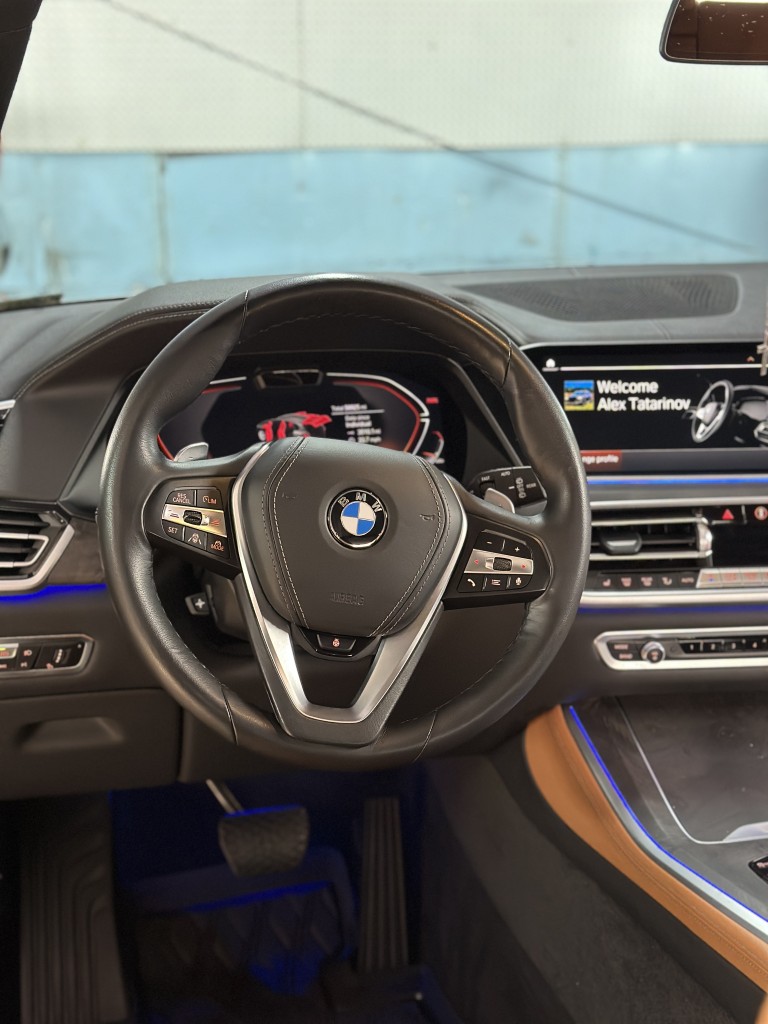
Regular detailing increases your car's resale value by protecting the paint and interior from wear, and by helping the car look and rate better when you sell or trade in. Glossy paint, clean upholstery, and a fresh cabin leave buyers and dealers fewer reasons to lower their offer. This guide covers how detailing protects the exterior and interior, why presentation matters to buyers, which services help most, and when to detail before a sale.
Does Car Detailing Really Increase Resale Value?
Yes, car detailing can increase resale value, though the amount depends on your car's starting condition. Detailing helps mostly by improving condition, and condition is a major part of what buyers and dealers pay. Valuation tools like Kelley Blue Book price a car by mileage, demand, and condition, with categories such as Excellent, Very Good, Good, and Fair. A clean car with glossy paint and a fresh interior is more likely to land in a higher category.
The numbers show why this matters. An Autotrader analysis using Kelley Blue Book data found that moving a 2019 Subaru Outback from "good" to "very good" raised its average trade-in value by about $703, or nearly 3 percent. For a rougher car, the potential gain reached about $2,900, or around 13 percent.
Detailing has limits, though. It cannot fix engine trouble, worn tires, deep dents, or a bad service history, and no detail guarantees a set price. What it does is remove the cosmetic reasons for a buyer or dealer to lower an offer.
How Regular Detailing Protects Your Car's Exterior
Your car's paint faces sun, rain, road grime, and winter salt every day. Regular detailing slows that damage, so the paint still looks good when you sell.
Preventing Paint Damage and Fading
Ultraviolet light is the main cause of paint fading and oxidation, especially on hoods, roofs, and trunk lids that face the sun. Over the years, oxidized paint turns dull and chalky, and it is costly to restore. Waxes and paint sealants add a protective layer that absorbs part of that sun damage, and reapplying them every few months keeps the color deep. A car that still shines at eight years old signals careful ownership.
Protecting the Clear Coat
The clear coat is the transparent top layer of your paint, and it protects the color underneath from scratches and stains. Dirty washing methods, such as dry wiping or gritty towels, leave swirl marks that make the finish look hazy in direct sunlight. A detailer uses a two-bucket wash, clean microfiber towels, and, when needed, machine polishing to remove light scratches and bring back gloss. Keeping the clear coat intact also prevents bigger paint repairs later.
Removing Contaminants Before They Cause Damage
Some dirt does more than make the car look bad. Bird droppings, tree sap, bug splatter, brake dust, and road salt can etch into the clear coat if they sit too long. Winter road treatments and spring pollen add to the buildup in Missouri. Detailers use clay bar treatment to lift bonded contaminants that washing leaves behind, then seal the paint to make future cleaning easier. Removing these early costs far less than repairing etched paint.
How Interior Detailing Helps Preserve Your Car's Condition
Buyers spend most of their time inside the car, so the interior often decides whether an appraisal goes up or down. Interior detailing keeps materials from wearing out early and removes the signs of heavy use.
Keeping Seats and Upholstery in Better Shape
Grit and dust trapped in fabric and leather act like sandpaper every time someone sits down. Regular vacuuming and deep cleaning remove that grit before it wears through the surface. Conditioning leather seats keeps them soft and helps prevent cracking, especially on driver's seat bolsters that take the most use. Seats that look and feel almost new suggest a car that was cared for, not just driven.
Removing Stains, Dirt and Odors
Stains and smells are among the first things a buyer notices, and they are hard to ignore. Coffee spills, food marks, pet hair, and smoke odor can push an offer down because the dealer must pay to fix them. Steam cleaning and extraction pull dirt out of carpet and upholstery, and enzyme treatments break down odors at the source instead of covering them. Removing these problems before an appraisal takes away an easy reason to lower your price.
Protecting the Dashboard and Interior Surfaces
Sunlight dries out dashboards, door panels, and plastic trim, which can lead to fading and cracks. Detailers clean these surfaces and apply a UV-protectant dressing that slows the damage. They also clean vents, cup holders, buttons, and touchscreens, which collect dust and sticky residue. A dashboard without cracks or glare marks looks much younger than the odometer says.
Why a Well-Maintained Car Makes a Better First Impression
Buyers judge a car within seconds of seeing it, and appearance shapes how they read everything else.
Perceived Vehicle Condition
People use what they can see to guess what they cannot. Shiny paint, clean wheels, and a fresh interior make a buyer assume the engine and brakes were also cared for. Dealers do the same during an appraisal, rating condition and estimating reconditioning costs. A car that needs little cleanup leaves less room for deductions.
Buyer Confidence
Confidence affects how much a buyer is willing to pay and how hard they negotiate. When there are no obvious flaws to point out, a buyer has fewer reasons to ask for a discount. A clean car also makes a buyer more comfortable trusting your word about maintenance, accidents, and ownership. That trust can shorten the time it takes to close a deal.
Professional Presentation During Private Sales
In a private sale, your listing photos and the first meeting are your sales pitch. A detailed car photographs better, gets more clicks, and holds up in person. Removing personal items, odors, and clutter helps buyers picture themselves owning the car. Placing service records on the seat next to a spotless interior shows you are organized and serious.
Which Detailing Services Can Help With Resale Value?
Not every service pays off equally before a sale. Focus on work that changes what a buyer sees and smells.
| Detailing Service | What It Improves | Resale Impact |
|---|---|---|
| Exterior wash, clay, and sealant | Paint gloss, smoothness, and protection | High |
| Light paint polishing | Swirl marks and light clear coat scratches | High |
| Interior deep clean and shampoo | Stains, dirt, and worn-looking carpet and seats | High |
| Odor removal | Smoke, pet, and musty smells | High |
| Headlight restoration | Cloudy, yellowed headlights | Medium |
| Wheel and tire detailing | Brake dust and faded tires | Medium |
| Leather cleaning and conditioning | Dry, cracked, or dull leather | Medium |
| Engine bay cleaning | Dust and grime under the hood | Low to medium |
| Ceramic coating | Long-term paint protection | Low for a quick sale |
A full interior and exterior detail covers most of the high-impact services. Ceramic coating protects paint for years, so it makes more sense if you plan to keep the car, and it is unlikely to pay for itself right before a sale.
When Should You Detail Your Car Before Selling It?
Book the full detail one to two weeks before you list the car or take it to a dealer. That gives you time to take clear photos, fix any missed spots, and handle small repairs the detailer finds. If you plan to take photos outdoors, schedule the details for a day with dry weather.
Add a quick touch-up on the day of the showing or appraisal. A fast wash, a vacuum, and a wipe of the dashboard and glass keep the car looking fresh after a week of driving. If the car sits outside, check it again before each buyer arrives.
Regular care before that point makes the final detail easier. A wash every week or two, an interior clean every month or so, and a full detail every three to six months keep damage from building up. A car kept that way often needs little more than a refresh before sale.
Is Professional Detailing Worth It Before Selling Your Car?
For most cars, yes. In Springfield, MO, a full interior and exterior detail on a sedan typically costs about $220 to $300, and larger vehicles cost more. The Autotrader and Kelley Blue Book example above suggests a condition upgrade can add several hundred dollars to a trade-in offer, so the cost can be recovered. The result depends on the car's starting condition, its value, and the local market, so treat any gain as a likely benefit, not a promise.
Professional detailing makes the most sense when the car has pet hair, stains, odors, swirl marks, or cloudy headlights. These problems take time, equipment, and skill to fix well. If your car is already clean and you only need a refresh, a careful DIY wash and vacuum may be enough. For a very low-value car, or one with damage that needs a body shop, extra detailing money may not come back.
Final Thoughts
Regular detailing helps protect the paint, clear coat, and interior, which keeps your car in better condition over the years. It cannot fix mechanical or body problems, and no detail guarantees a set price, but it can raise your car's condition rating and make buyers and dealers feel more confident. Detail every few months, then book a full detail one to two weeks before you sell or trade in. For most cars, a few hundred dollars is a small price for a cleaner, more convincing presentation.
FAQs
Does Car Detailing Really Increase Resale Value?
It can. Detailing improves your car's condition and appearance, which can lead to a higher trade-in offer or sale price, though the exact amount varies by car and market.
How Much Value Does Detailing Add To A Car?
It depends on the starting condition. In one Autotrader analysis using Kelley Blue Book data, a step from "good" to "very good" added about $703 on average, with larger gains for rougher cars.
Is It Better To Detail Before A Trade-In Or A Private Sale?
Both can help. Private buyers inspect appearance closely and see your photos, while dealers rate condition and subtract reconditioning costs, so a cleaner car lowers those deductions.
How Much Does A Pre-Sale Detail Cost In Springfield, Mo?
A full interior and exterior detail on a sedan typically costs about $220 to $300. SUVs, trucks, and cars with heavy dirt or pet hair usually cost more.
Should I Detail My Car Myself Or Hire A Professional?
DIY works for a car that is already fairly clean. Hire a professional for odors, stains, pet hair, swirl marks, or cloudy headlights, since those need specialized tools.
Can Detailing Remove Scratches Before I Sell?
Detailing can remove light swirl marks and shallow clear coat scratches through polishing. Deep scratches and dents need a body shop.
Does Ceramic Coating Increase Resale Value?
It protects paint and keeps gloss for years, which helps a car you plan to keep. It is unlikely to pay for itself if you apply it right before a quick sale.
How Long Before Selling Should I Detail My Car?
Aim for one to two weeks before listing or appraisal, then do a quick wash and wipe-down before each showing.
Will Detailing Fix Problems A Dealer Finds In An Appraisal?
Only cosmetic ones. Detailing cannot fix mechanical issues, worn tires, or body damage, and dealers will still price those in.
How Often Should I Detail My Car To Protect Its Value?
Wash it every week or two, clean the interior monthly, and book a full detail every three to six months. Add a pre-sale detail when you are ready to sell.
View All Blogs