
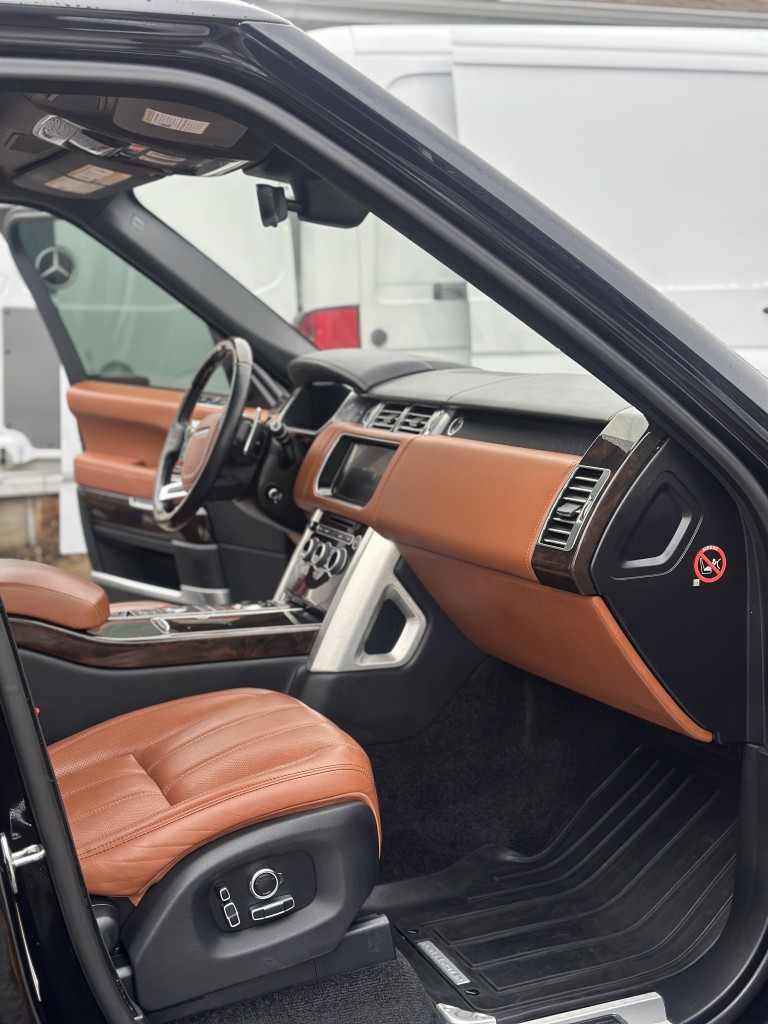
DIY car detailing costs about $80 to $300 to get started and roughly $10 to $25 per session after that, while professional detailing in Springfield, MO runs about $100 to $300 per visit. DIY saves cash if you detail often, but a professional saves time and usually gives a better finish. This guide breaks down the real costs of both, including the value of your own time.
How Much Does DIY Car Detailing Cost?
A basic DIY setup costs about $80 to $120 if you start from zero. That covers two buckets with grit guards, a microfiber wash mitt, pH-neutral soap, a few drying towels, a clay mitt, and a spray sealant. Complete starter kits from brands like Meguiar's and Chemical Guys sell for $30 to $100, and the total climbs once you add machines.
| DIY Item | Typical Cost |
|---|---|
| Wash and dry basics (buckets, soap, mitt, towels) | $50 – $80 |
| Clay mitt | $25 |
| Spray wax or sealant | $15 – $30 |
| Interior cleaners and brushes | $30 – $60 |
| Shop vacuum | $50 – $100 |
| Dual-action polisher with pads | $100 – $150 |
| DIY ceramic coating kit | $50 – $100 |
After the first purchase, each session uses about $10 to $25 in products. The supplies often last a year or more, so the upfront cost spreads out over many details.
How Much Does Professional Car Detailing Cost?
In Springfield, MO, professional mobile detailers typically charge about $100 to $150 for an exterior detail, $180 to $250 for an interior detail, and $220 to $300 for a full interior and exterior detail on a sedan. SUVs, trucks, and minivans usually cost $50 to $150 more because they take longer to clean.
| Service (Sedan) | Typical Springfield Price |
|---|---|
| Exterior detail | $100 – $150 |
| Interior detail | $180 – $250 |
| Full interior and exterior detail | $220 – $300 |
| Ceramic coating | $500 – $2,000+ |
Heavy pet hair, mud, smoke odor, and set-in stains raise the quote, and a good detailer explains any extra charge before starting. A full detail on an average car usually takes about four to five hours of the detailer's time.
DIY vs. Professional Car Detailing: What Are You Really Paying For?
With DIY, you pay for products and tools, and your own labor is free on paper. With a professional, you pay for skill, speed, and equipment you would not buy for one car. Detailers use commercial steam cleaners, hot water extractors, and machine polishers, along with professional-grade chemicals that are often more concentrated than store brands.
Experience is the other part of the price. A trained detailer knows which cleaner is safe on leather, how much water a fabric seat can take, and how to spot early paint damage during the walkaround. Mobile service adds convenience on top, since the work happens at your home or office without a drive or a wait.
How Much Does Your Time Add to the Cost of DIY Detailing?
Time is the hidden cost. A careful DIY detail usually takes three to six hours, depending on the car's condition and your experience. If you value your time at $20 an hour, a four-hour detail adds about $80 to the bill. That rate is only an example, so use your own number.
| Cost Item | First Detail | Each Detail After |
|---|---|---|
| Equipment and supplies | $150 – $250 | $10 – $25 |
| Your time (4 hours at $20) | $80 | $80 |
| Total DIY cost | $230 – $330 | $90 – $105 |
| Professional full detail | $220 – $300 | $220 – $300 |
The first DIY detail often costs about the same as a professional one. The savings show up from the second session on, as long as you keep using the tools.
What Equipment Do You Need to Detail a Car Yourself?
Start with the essentials, then add machines only if you plan to detail often.
- Washing needs two buckets with grit guards, a pH-neutral soap, a wash mitt, and plush microfiber drying towels.
- Decontamination needs a clay mitt, and protection needs a spray sealant or wax.
- Inside the car, you need a vacuum with a crevice tool, soft detailing brushes, an interior cleaner, glass cleaner, and a leather conditioner if your seats are leather.
- Optional gear includes a dual-action polisher, a pressure washer, a foam cannon, and a steam cleaner.
These tools make the job faster and the results better, but together they can add several hundred dollars. You also need shade, a water source, and a few free hours, since washing a car in direct Missouri summer sun makes soap and sealant dry too fast.
DIY vs. Professional Detailing: Which Gives Better Results?
Professional detailing usually gives more consistent results, mostly because of the equipment and technique. Hot water extraction pulls dirt out of carpets and seats that a vacuum and spray cleaner leave behind, and machine polishing and clay treatment leave paint smoother than hand work can.
DIY can look great on well-kept cars, especially for routine washing, vacuuming, and sealant. The risks come from small errors. A single bucket and dirty towels cause swirl marks, dish soap strips wax, and too much water in a fabric seat can lead to mildew and odors. Skill and patience matter more than expensive products, so the first few details are the hardest.
When Does Professional Car Detailing Make More Sense?
A professional is the better choice when the job is bigger than a weekend clean. Heavy pet hair, spilled drinks, smoke or sour odors, and stained upholstery respond best to commercial tools. Professional detailing also makes sense before a trade-in or sale, at the end of a lease, or before ceramic coating or paint correction. If you lack space, water access, or free time, or live where washing on site is banned, a mobile detailer solves all of those problems at once.
When Is DIY Car Detailing the Better Option?
DIY works best for regular upkeep on a car that is already in good shape. If you enjoy the work, have a driveway and shade, and plan to wash and vacuum every month or two, the savings add up quickly. It also suits older daily drivers where a perfect finish matters less. Many owners mix both approaches, doing light cleaning themselves and booking a professional detail once or twice a year for a deeper reset.
Why Choose Fresh Mobile Detailing for Professional Car Detailing?
Fresh Mobile Detailing is based in Springfield, MO, and brings its service to your driveway or workplace. Its 30-mile service radius covers Springfield, Nixa, Ozark, Republic, Battlefield, Rogersville, Strafford, and Willard, so most of the 417 area is within reach.
One-time pricing varies by vehicle size. Exterior detailing is $70 for a sedan, $80 for an SUV, and $90 for a truck or 3-row SUV. Interior detailing is $215, $225, and $235 respectively; full detailing is $235, $245, and $255. Interior add-ons include shampoo / seat extraction and leather conditioner at $25 each. Exterior add-ons include wax at $40 and paint enhancement at $170.
Every job follows four steps: inspect and assess, prepare and decontaminate, restore and protect, then a final walkaround before delivery. Monthly plans are $60 for exterior, $120 for interior, and $150 for full detailing. Custom weekly and yearly plans and volume discounts are available. Call or text (417) 374-2763, Monday through Saturday, 9 AM to 6 PM, to book.
Final Thoughts
DIY detailing costs less per session, but it needs upfront tools, several hours, and some skill. Professional detailing in Springfield costs about $100 to $300 per visit and saves time while delivering a more even finish. DIY makes sense for frequent upkeep on a clean car, and a professional makes sense for deep cleaning, odors, pet hair, and protection work. Many drivers get the best value by combining both. Compare your time, your tools, and your car's condition before you decide.
FAQs
Is Diy Car Detailing Cheaper Than Professional Detailing?
Per session, yes. Once you own the supplies, each detail costs about $10 to $25 in products. The savings shrink if you detail only once a year or count your time.
How Much Does It Cost To Start Detailing A Car At Home?
A basic setup costs about $80 to $120. Adding a vacuum, interior cleaners, and a polisher can push the total to $250 or more.
How Much Does Professional Car Detailing Cost In Springfield, MO?
Sedans typically cost about $100 to $150 for an exterior, $180 to $250 for an interior, and $220 to $300 for a full detail. Larger vehicles and heavy soil cost more.
How Long Does Diy Detailing Take Compared To A Professional?
A careful DIY detail takes about three to six hours. A professional full detail usually takes four to five hours, though you do not spend that time yourself.
Can Diy Detailing Damage My Paint?
Yes, if you use dirty towels, a single bucket, or harsh cleaners. Two buckets with grit guards, pH-neutral soap, and clean microfiber lower that risk a lot.
How Often Should I Detail My Car?
Most cars do well with a full detail every three to six months. Between details, a monthly wash and vacuum keeps dirt from building up.
Is A Professional Detail Worth It Before Selling A Car?
Often, yes. Clean paint and a fresh interior help a buyer see a well kept car, and the detail usually costs less than the discount a buyer might ask for.
Is A Diy Ceramic Coating As Good As A Professional One?
DIY kits cost about $50 to $100 and can work well, but results depend on prep. Professional coatings in Springfield start near $500 and often include paint correction first, which helps the coating bond and last longer.
Do Mobile Detailers Cost More Than Detail Shops?
Prices are often similar. Some mobile services charge a small premium for travel and setup, while others include it in their rates, so compare written quotes.
What Do Fresh Mobile Detailing Memberships Include?
The monthly plans are $60 for exterior, $120 for interior, and $150 for full detailing. Custom weekly and yearly plans are also available; contact Fresh Mobile Detailing to confirm the service scope and schedule.
View All Blogs